may 14 - may 24
rice pudding gallery
rice pudding gallery
hana dean
ethan duck
louise gromme
nadia jamieson
hazel read
ethan duck
louise gromme
nadia jamieson
hazel read
An intersection between painting, photography, and sculpture.
Opening night 14th at 6:30pm
Open Thursday to Monday 12-4pm
Open Thursday to Monday 12-4pm
like cockles
The relationship between art and the body is one that has splintered over the last century and a half into a fertile rubble. Through its inherent inseparability from social and political movements, the representation of bodies in art is imbued with feminist and queer sensibilities, as art practices are entangled with embodied lived experience. Within our cultural framework, that is, viewing art-historical traditions from a colonised land, the human body has been placed as an objectifie-able form, atop an aesthetic pedestal “for the voyeuristic audience”. The nude in particular is stripped of it’s person-hood, made puritan and child-like, and is positioned unmistakably for the consumptive male eye.
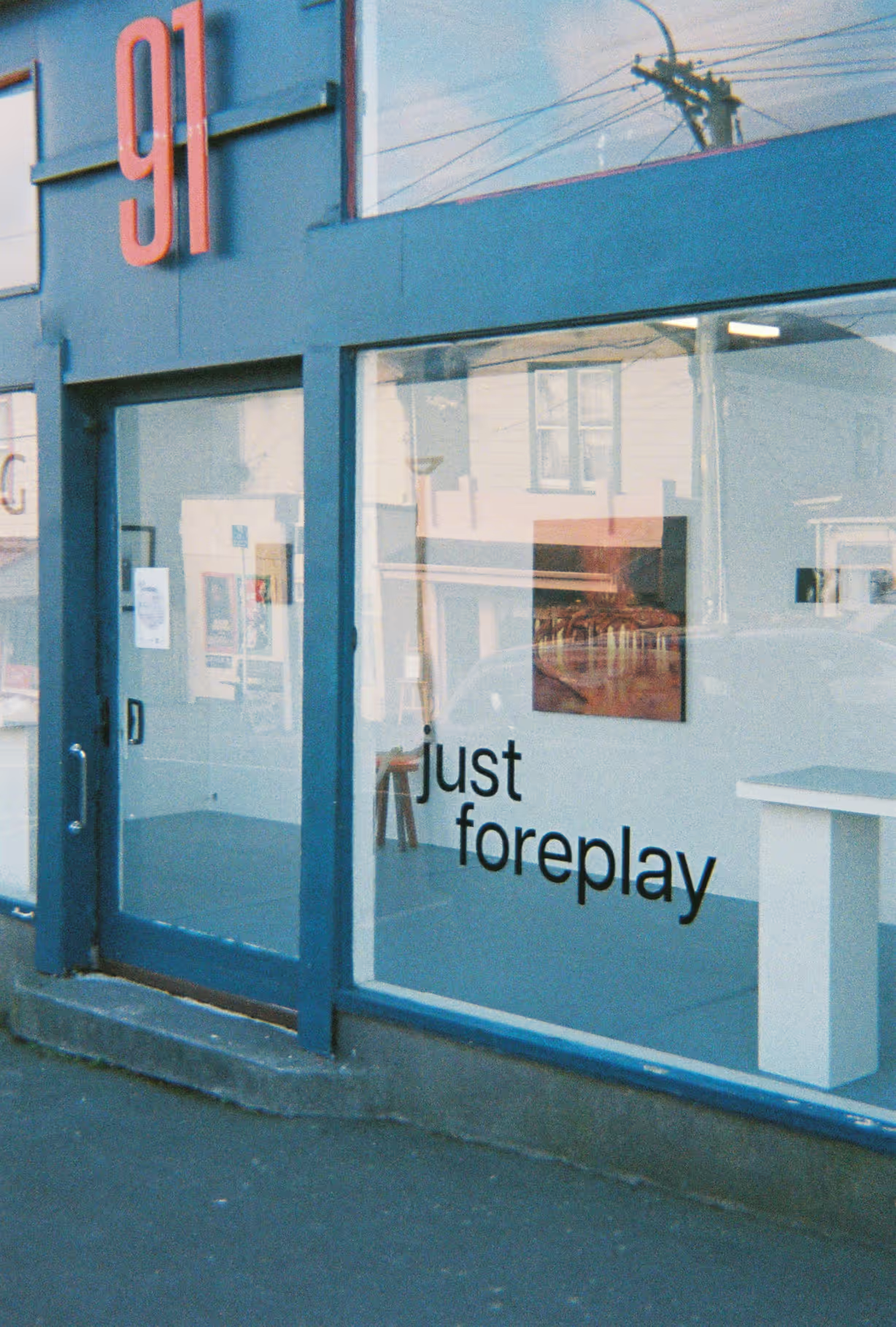
In Just Foreplay, five emerging artists respond to and challenge these precedents, disrupting through sensitive and careful creative practice that, although straddling multiple disciplines and tones, remains honest and curious. Across painting, sculpture, and photography, threads of experience, consumption, looking / at, and intimacy all knit together to form a textured conceptual body of work. The titling of the show, Just Foreplay connotes a similar textured experience of looking, and of being looked at. ‘Just’ here implies an exactness, or even a mundanity / sameness to ‘Foreplay’, a culturally agitating act wherein the deviancy of the implied sex-to-come is normalised. It simultaneously adds a moral righteousness to the realm of the intimate that here, within the social context of the gallery, is essential. The gallery, like the body, is a politicised space, and through the artist’s investigation into cultural narratives around the human form inside this title’d room, it becomes a place of resistance.
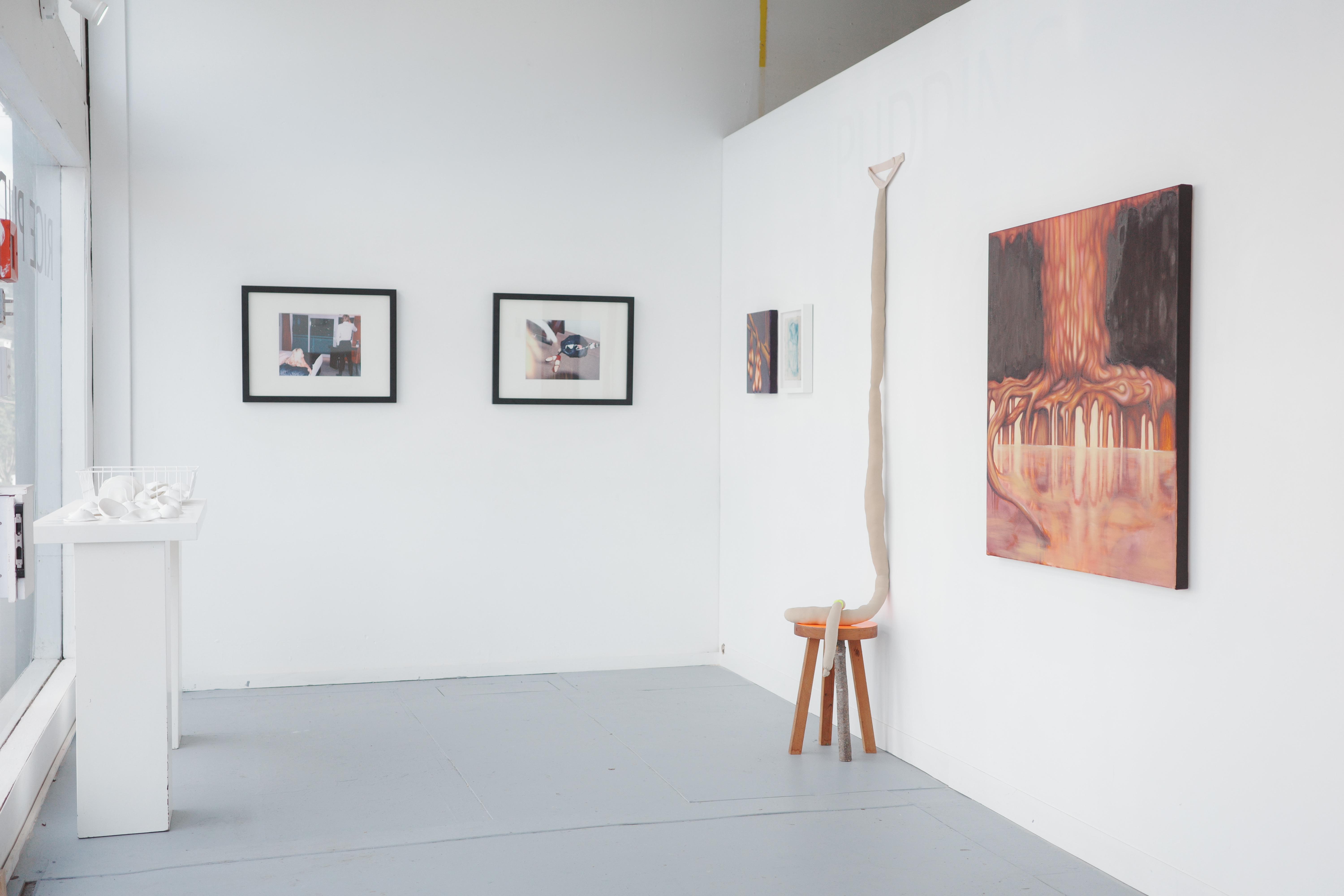
Hazel Read’s sculptural works, which seek to abstract representations of the human body through senses of looseness and play, form an initial edge from which to think about these concepts. The works are made from recognisable materials; recycled fabrics and clay create the asymmetric bulb-ing forms, which are tied and hung along the gallery wall. Her sculptures seem open to a varied interpretation, and feel simultaneously reminiscent of a stockinged leg, a leaning-over breast, or a flaccid penis. Tactility here is a key element, as Read works with the inherent restrictiveness of her materials, the fabric (like skin) holds the interior taut. There’s an implicit tension here in this material restrictiveness that drives the work into the fertile space between the loose, playful arena and that of the desire-to-touch.
Hana Dean’s paintings work through a larger abstracted scale; of the planetary. Her practice is deeply involved with the concept of a feminine collective entity, one which draws relationships between the human body and the naturalistic forms of the earth that work to embody matrilineal lines of connection between the two. On one hand, her work travels inwards to the human body, literally portraying ribs and flesh entwined with the roots of a mothering tree, yet on the other, she also works to an eternally outward scale, drawing in the larger ecologies and planetary cycles that are mirrored within our own bodies.
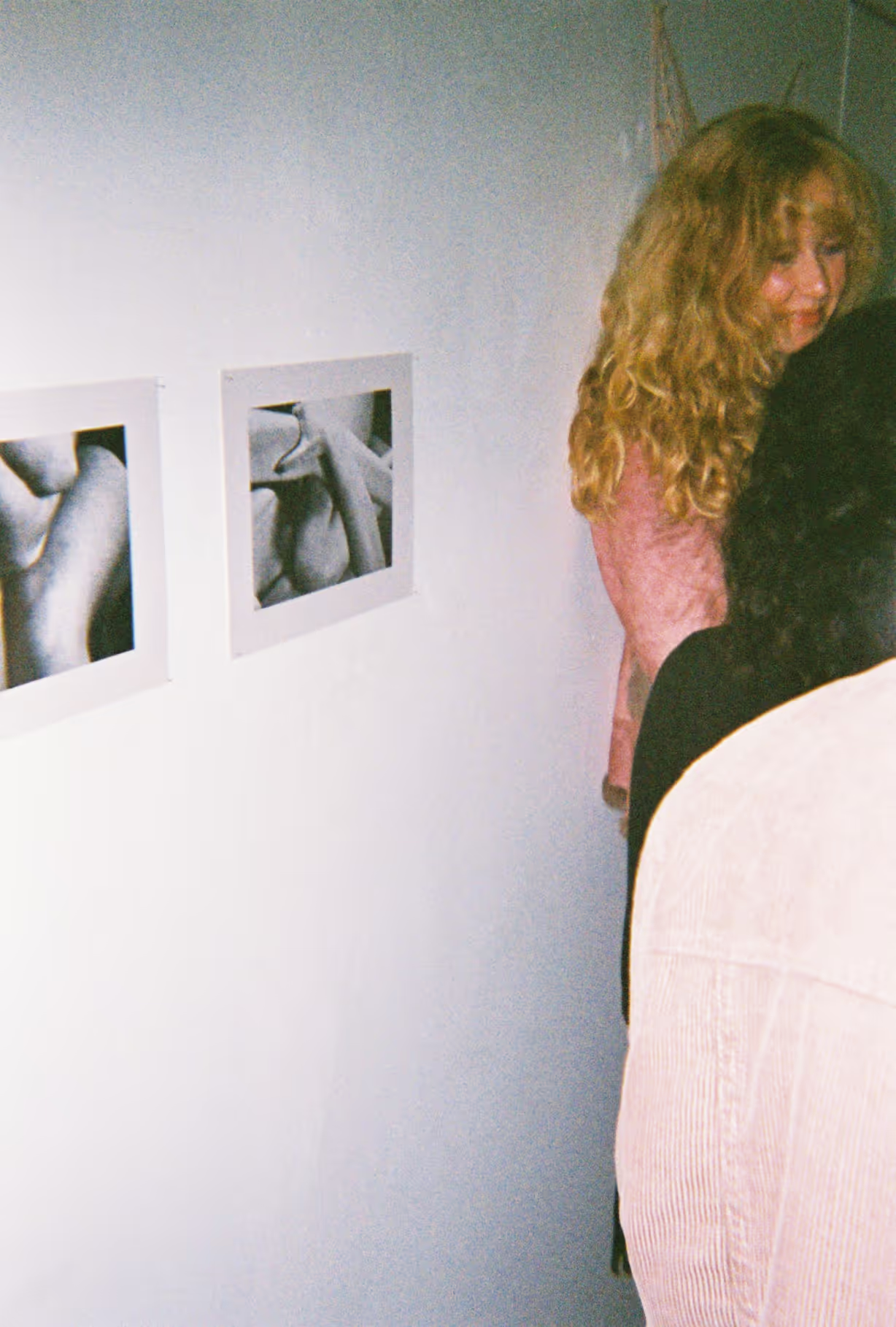
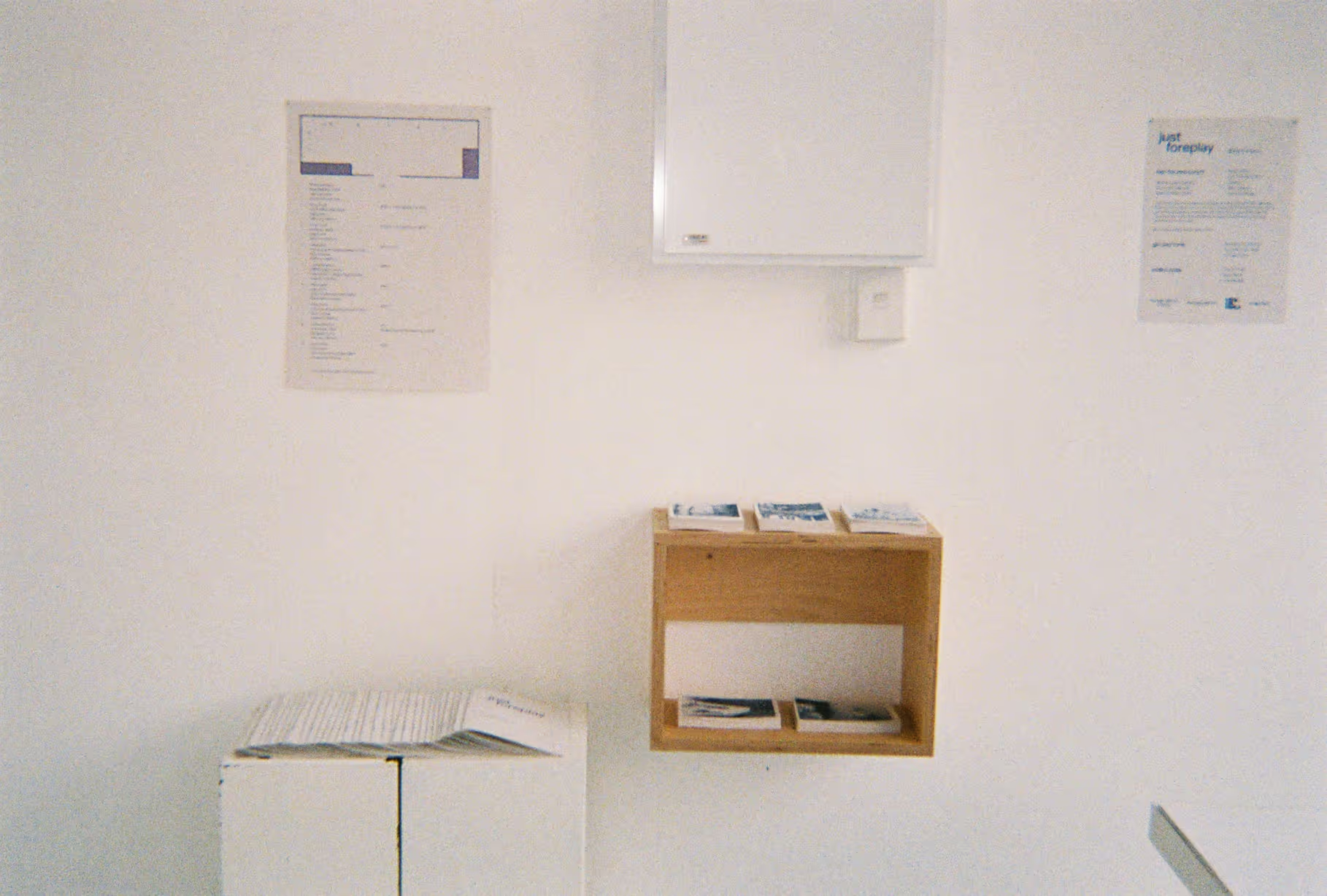
Louise Gromme’s photographs explore her body as “the only constant home” through shifting lived experiences and cultural dislocation. The medium of the photograph is particularly potent for these explorations, as a catalyst between digital / ephemeral realms and the physical processes at play. Gromme works between two photographic processes; risographs and cyanotypes, which together, form a delicate tension between these locative and experiential shifts. Her photographs of the body are tender and intimate, and speak to an introspective and embodied experience of identity and home. The physical processes of photography - of light leaving a shadow on a chemical film - gently builds upon the conceptual elements of Gromme’s work, as while a photograph captures a single moment, it’s also a moment which, by the time light has left it’s gentle imprint, is over.
The way Ethan Duck uses photography to explore bodies and connection pivots towards intimacy through experience, aiming to portray stories and moments with a frankness and honesty. His practice is used as a kind of catalystic moment, an explosive extrusion of community and embodied queer encounters. He mentions Nan Goldin as an influence, and I’m reminded of essayist Anne O’Hehir on her photographs here; “This is a form of embodied looking, where vision and the experience of desire becomes haptic”. Through the lens of photography, experience is embodied into a tangible, tactile being, and the act of looking is impossible to retrieve from that relationship.
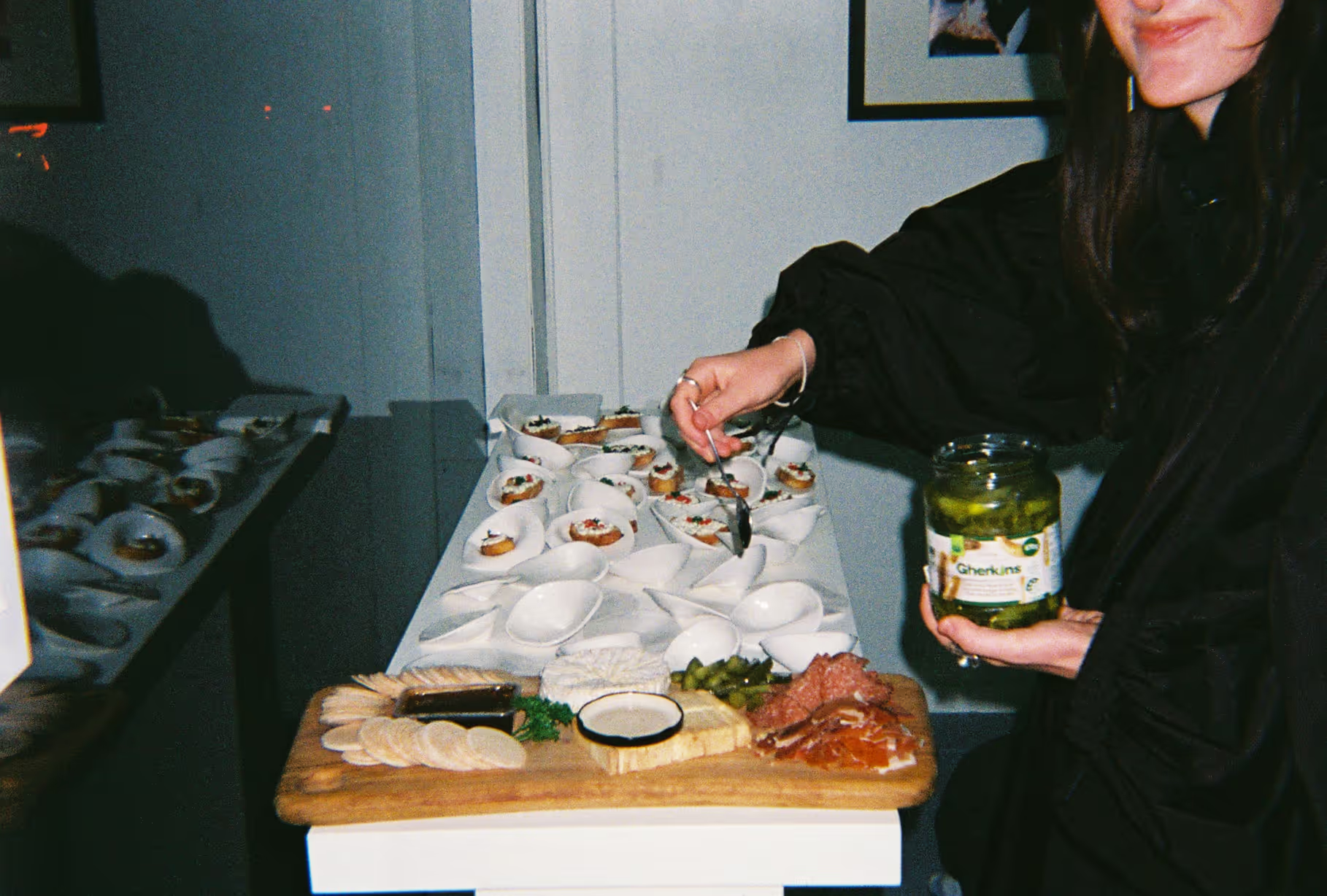
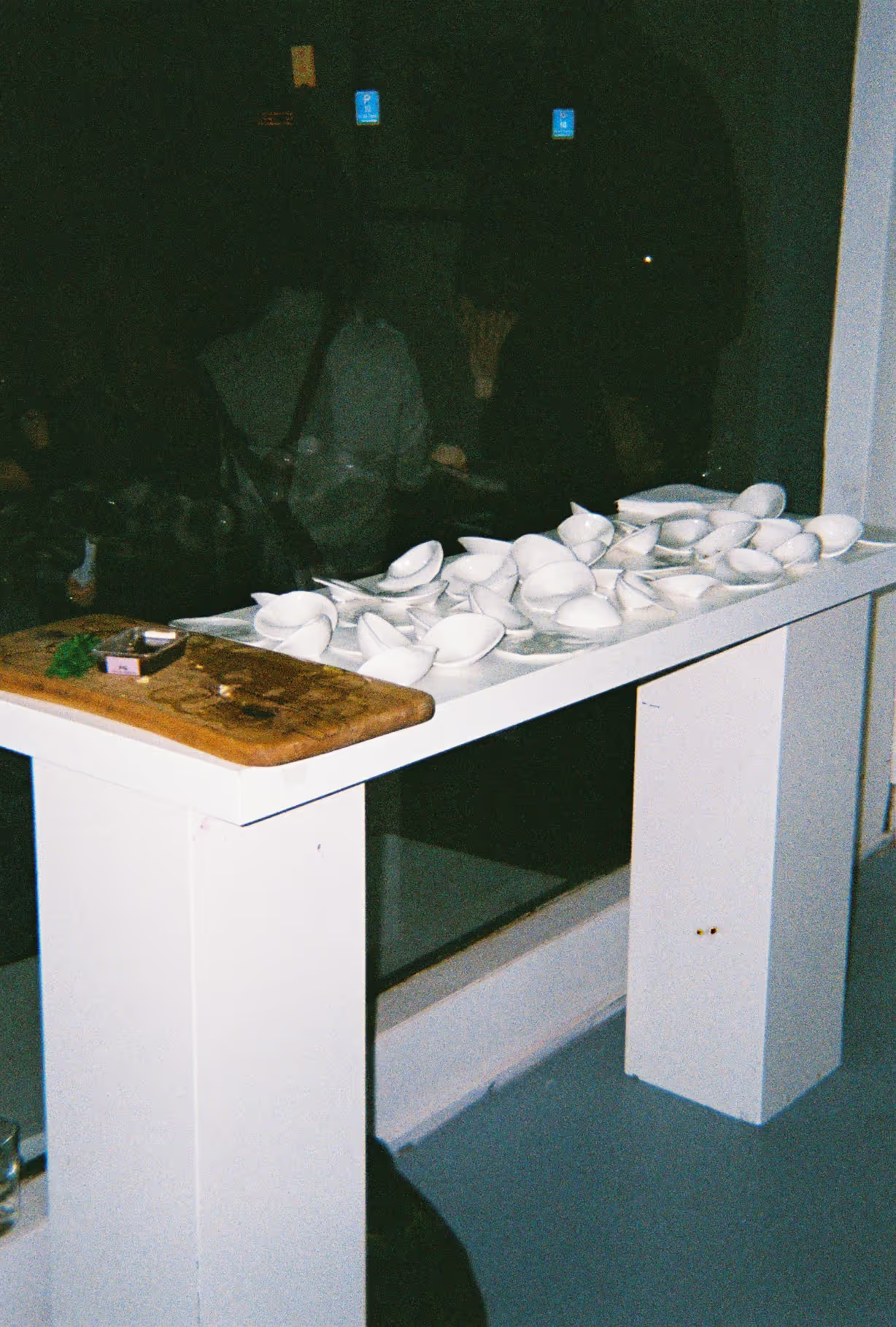
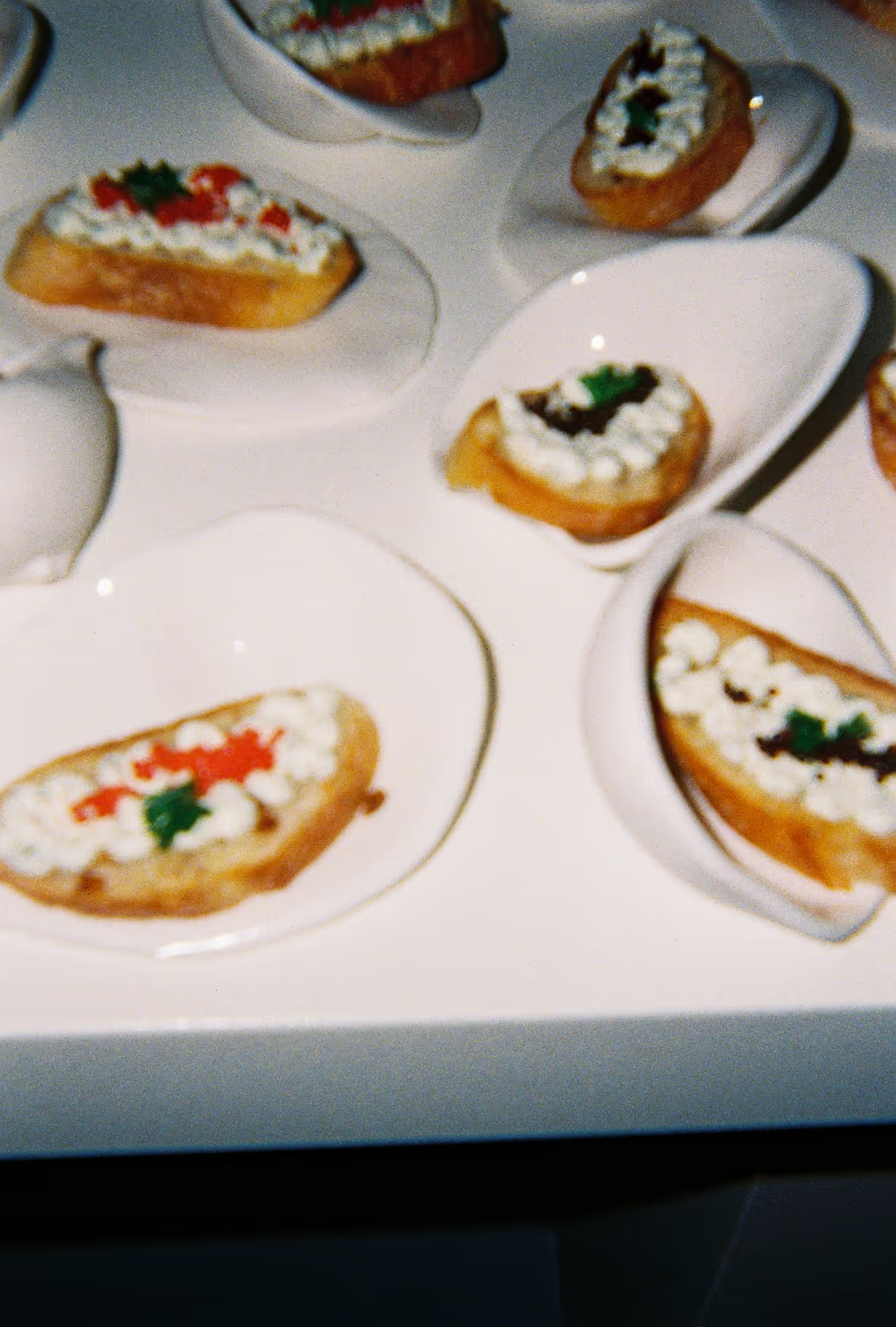
Nadia Jamieson works with sculpture to challenge how the human body is perceived as a commodifiable / consumable object. Her works are porcelain slip-casted breasts, displayed in the gallery space as plates which guests are invited to eat from. They look a little like seashells, gently concave, and with the slick look of a freshly posited cockle on the beach (we take those, too). Her work sits nicely as the other edge of Just Foreplay, conceptually across the bleachers from Read’s soft sculptures; as one abstracts the body, another is a literal imprint of it. Jamieson’s breastplates draw threads between all of the exhibiting work and their artists, through an intimate representation of the human body that speaks to the consumptive notion of the nude and challenging the social structures around it. Through the act of showing, Just Foreplay straddles the gap between starkness and sincerity, using the momentum of abstraction and play to really work within the realm of tenderness and intimacy. Through the filling of this gap, the
empty space becomes visible with a powerful soup of reclamation and protest, providing a portrait of the body beyond its corporeal terms.
Anneke Westra
In Just Foreplay, five emerging artists respond to and challenge these precedents, disrupting through sensitive and careful creative practice that, although straddling multiple disciplines and tones, remains honest and curious. Across painting, sculpture, and photography, threads of experience, consumption, looking / at, and intimacy all knit together to form a textured conceptual body of work. The titling of the show, Just Foreplay connotes a similar textured experience of looking, and of being looked at. ‘Just’ here implies an exactness, or even a mundanity / sameness to ‘Foreplay’, a culturally agitating act wherein the deviancy of the implied sex-to-come is normalised. It simultaneously adds a moral righteousness to the realm of the intimate that here, within the social context of the gallery, is essential. The gallery, like the body, is a politicised space, and through the artist’s investigation into cultural narratives around the human form inside this title’d room, it becomes a place of resistance.
Hazel Read’s sculptural works, which seek to abstract representations of the human body through senses of looseness and play, form an initial edge from which to think about these concepts. The works are made from recognisable materials; recycled fabrics and clay create the asymmetric bulb-ing forms, which are tied and hung along the gallery wall. Her sculptures seem open to a varied interpretation, and feel simultaneously reminiscent of a stockinged leg, a leaning-over breast, or a flaccid penis. Tactility here is a key element, as Read works with the inherent restrictiveness of her materials, the fabric (like skin) holds the interior taut. There’s an implicit tension here in this material restrictiveness that drives the work into the fertile space between the loose, playful arena and that of the desire-to-touch.
Hana Dean’s paintings work through a larger abstracted scale; of the planetary. Her practice is deeply involved with the concept of a feminine collective entity, one which draws relationships between the human body and the naturalistic forms of the earth that work to embody matrilineal lines of connection between the two. On one hand, her work travels inwards to the human body, literally portraying ribs and flesh entwined with the roots of a mothering tree, yet on the other, she also works to an eternally outward scale, drawing in the larger ecologies and planetary cycles that are mirrored within our own bodies.
Louise Gromme’s photographs explore her body as “the only constant home” through shifting lived experiences and cultural dislocation. The medium of the photograph is particularly potent for these explorations, as a catalyst between digital / ephemeral realms and the physical processes at play. Gromme works between two photographic processes; risographs and cyanotypes, which together, form a delicate tension between these locative and experiential shifts. Her photographs of the body are tender and intimate, and speak to an introspective and embodied experience of identity and home. The physical processes of photography - of light leaving a shadow on a chemical film - gently builds upon the conceptual elements of Gromme’s work, as while a photograph captures a single moment, it’s also a moment which, by the time light has left it’s gentle imprint, is over.
The way Ethan Duck uses photography to explore bodies and connection pivots towards intimacy through experience, aiming to portray stories and moments with a frankness and honesty. His practice is used as a kind of catalystic moment, an explosive extrusion of community and embodied queer encounters. He mentions Nan Goldin as an influence, and I’m reminded of essayist Anne O’Hehir on her photographs here; “This is a form of embodied looking, where vision and the experience of desire becomes haptic”. Through the lens of photography, experience is embodied into a tangible, tactile being, and the act of looking is impossible to retrieve from that relationship.
Nadia Jamieson works with sculpture to challenge how the human body is perceived as a commodifiable / consumable object. Her works are porcelain slip-casted breasts, displayed in the gallery space as plates which guests are invited to eat from. They look a little like seashells, gently concave, and with the slick look of a freshly posited cockle on the beach (we take those, too). Her work sits nicely as the other edge of Just Foreplay, conceptually across the bleachers from Read’s soft sculptures; as one abstracts the body, another is a literal imprint of it. Jamieson’s breastplates draw threads between all of the exhibiting work and their artists, through an intimate representation of the human body that speaks to the consumptive notion of the nude and challenging the social structures around it. Through the act of showing, Just Foreplay straddles the gap between starkness and sincerity, using the momentum of abstraction and play to really work within the realm of tenderness and intimacy. Through the filling of this gap, the
empty space becomes visible with a powerful soup of reclamation and protest, providing a portrait of the body beyond its corporeal terms.
Anneke Westra
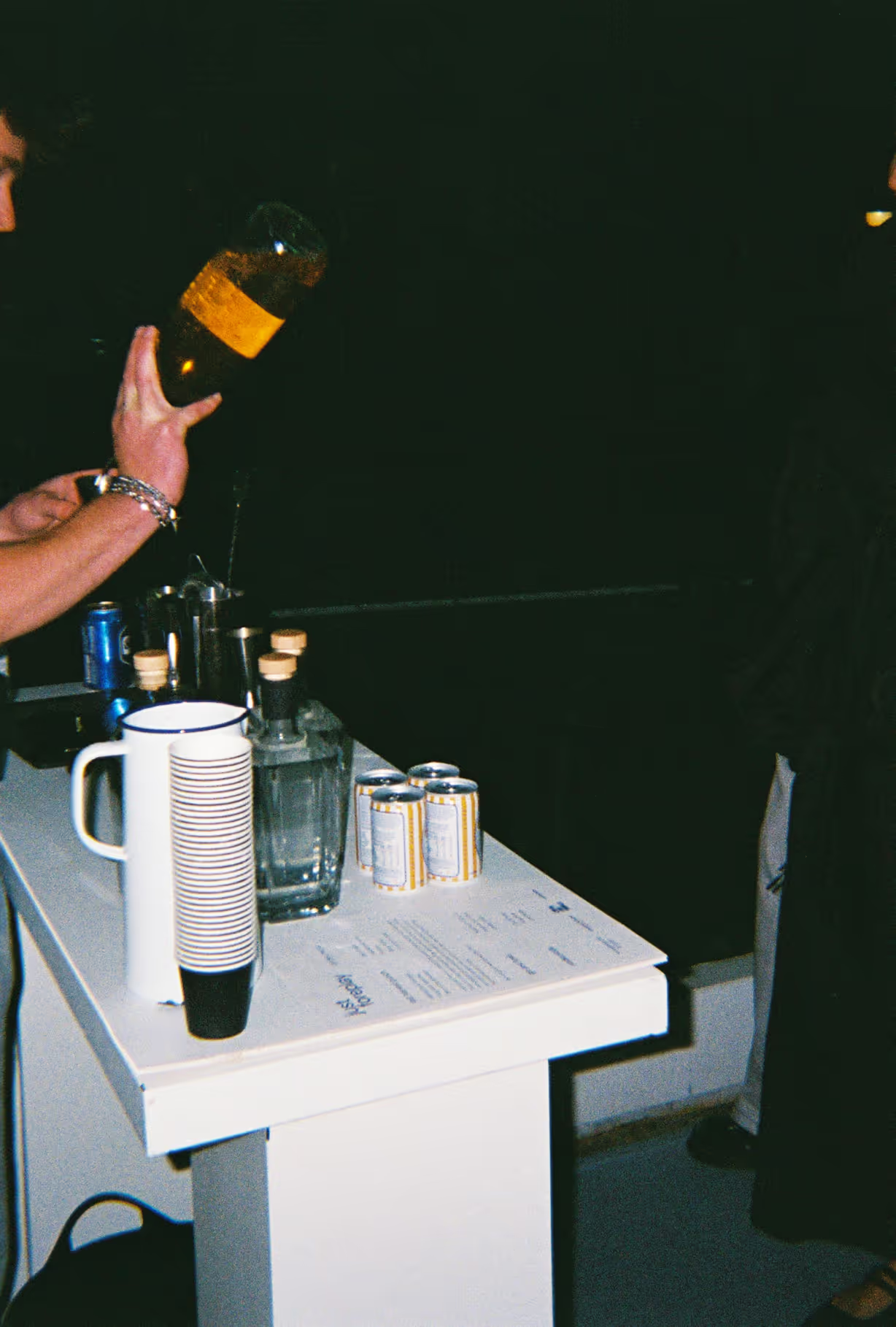
With special thanks to our friends and
sponsors at Woodward Street Distilling
sponsors at Woodward Street Distilling

may 14 - may 24
rice pudding gallery
rice pudding gallery
Opening night 14th at 6:30pm
Open Thursday to Monday 12-4pm
Open Thursday to Monday 12-4pm
An intersection between painting,
photography, and sculpture.
photography, and sculpture.
hana dean
ethan duck
louise gromme
nadia jamieson
hazel read
like cockles
The relationship between art and the body is one that has splintered over the last century and a half into a fertile rubble. Through its inherent inseparability from social and political movements, the representation of bodies in art is imbued with feminist and queer sensibilities, as art practices are entangled with embodied lived experience. Within our cultural framework, that is, viewing art-historical traditions from a colonised land, the human body has been placed as an objectifie-able form, atop an aesthetic pedestal “for the voyeuristic audience”. The nude in particular is stripped of it’s person-hood, made puritan and child-like, and is positioned unmistakably for the consumptive male eye.
In Just Foreplay, five emerging artists respond to and challenge these precedents, disrupting through sensitive and careful creative practice that, although straddling multiple disciplines and tones, remains honest and curious. Across painting, sculpture, and photography, threads of experience, consumption, looking / at, and intimacy all knit together to form a textured conceptual body of work. The titling of the show, Just Foreplay connotes a similar textured experience of looking, and of being looked at. ‘Just’ here implies an exactness, or even a mundanity / sameness to ‘Foreplay’, a culturally agitating act wherein the deviancy of the implied sex-to-come is normalised. It simultaneously adds a moral righteousness to the realm of the intimate that here, within the social context of the gallery, is essential. The gallery, like the body, is a politicised space, and through the artist’s investigation into cultural narratives around the human form inside this title’d room, it becomes a place of resistance.
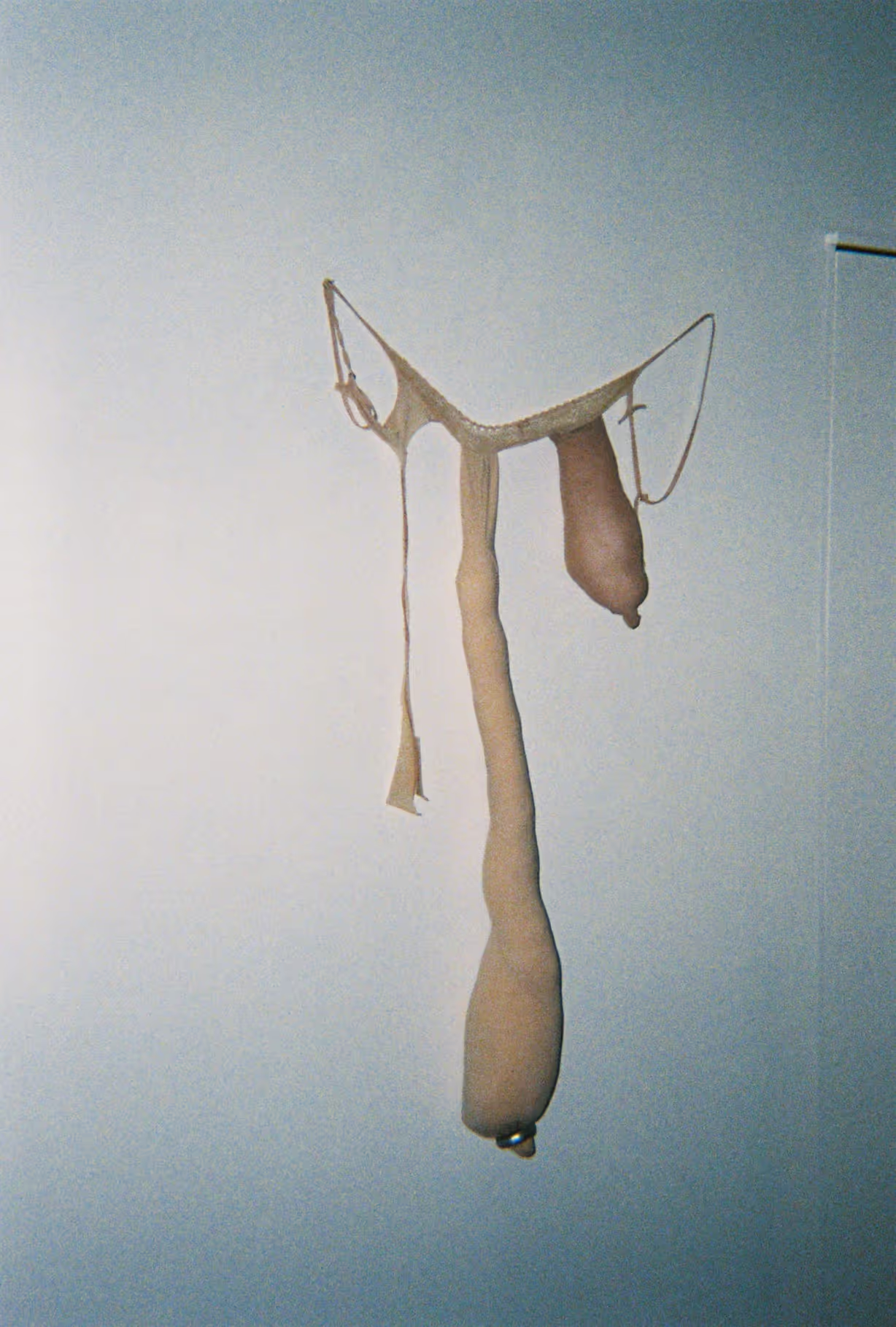
Hazel Read’s sculptural works, which seek to abstract representations of the human body through senses of looseness and play, form an initial edge from which to think about these concepts. The works are made from recognisable materials; recycled fabrics and clay create the asymmetric bulb-ing forms, which are tied and hung along the gallery wall. Her sculptures seem open to a varied interpretation, and feel simultaneously reminiscent of a stockinged leg, a leaning-over breast, or a flaccid penis. Tactility here is a key element, as Read works with the inherent restrictiveness of her materials, the fabric (like skin) holds the interior taut. There’s an implicit tension here in this material restrictiveness that drives the work into the fertile space between the loose, playful arena and that of the desire-to-touch.
Hana Dean’s paintings work through a larger abstracted scale; of the planetary. Her practice is deeply involved with the concept of a feminine collective entity, one which draws relationships between the human body and the naturalistic forms of the earth that work to embody matrilineal lines of connection between the two. On one hand, her work travels inwards to the human body, literally portraying ribs and flesh entwined with the roots of a mothering tree, yet on the other, she also works to an eternally outward scale, drawing in the larger ecologies and planetary cycles that are mirrored within our own bodies.
Louise Gromme’s photographs explore her body as “the only constant home” through shifting lived experiences and cultural dislocation. The medium of the photograph is particularly potent for these explorations, as a catalyst between digital / ephemeral realms and the physical processes at play. Gromme works between two photographic processes; risographs and cyanotypes, which together, form a delicate tension between these locative and experiential shifts. Her photographs of the body are tender and intimate, and speak to an introspective and embodied experience of identity and home. The physical processes of photography - of light leaving a shadow on a chemical film - gently builds upon the conceptual elements of Gromme’s work, as while a photograph captures a single moment, it’s also a moment which, by the time light has left it’s gentle imprint, is over.
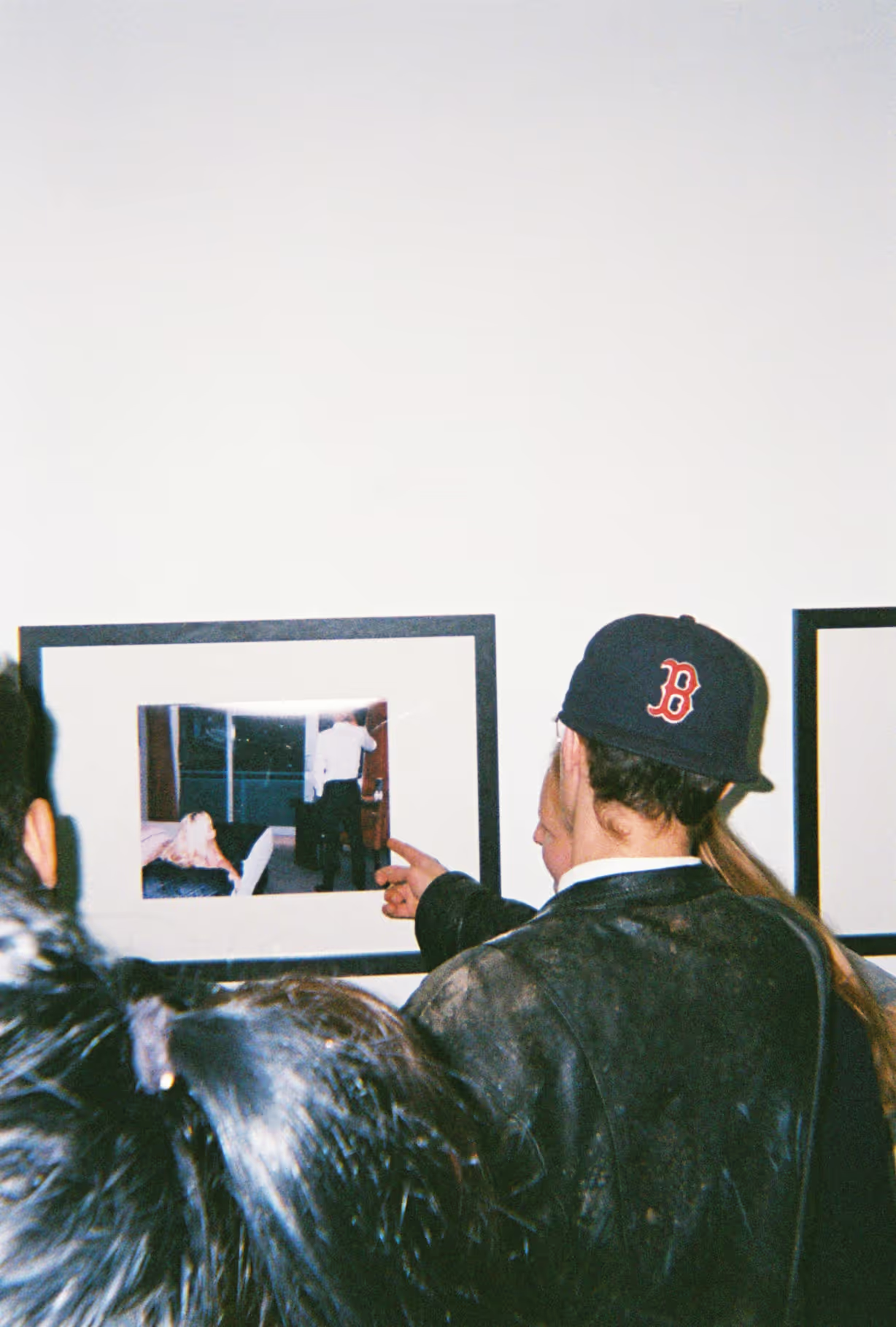
The way Ethan Duck uses photography to explore bodies and connection pivots towards intimacy through experience, aiming to portray stories and moments with a frankness and honesty. His practice is used as a kind of catalystic moment, an explosive extrusion of community and embodied queer encounters. He mentions Nan Goldin as an influence, and I’m reminded of essayist Anne O’Hehir on her photographs here; “This is a form of embodied looking, where vision and the experience of desire becomes haptic”. Through the lens of photography, experience is embodied into a tangible, tactile being, and the act of looking is impossible to retrieve from that relationship.
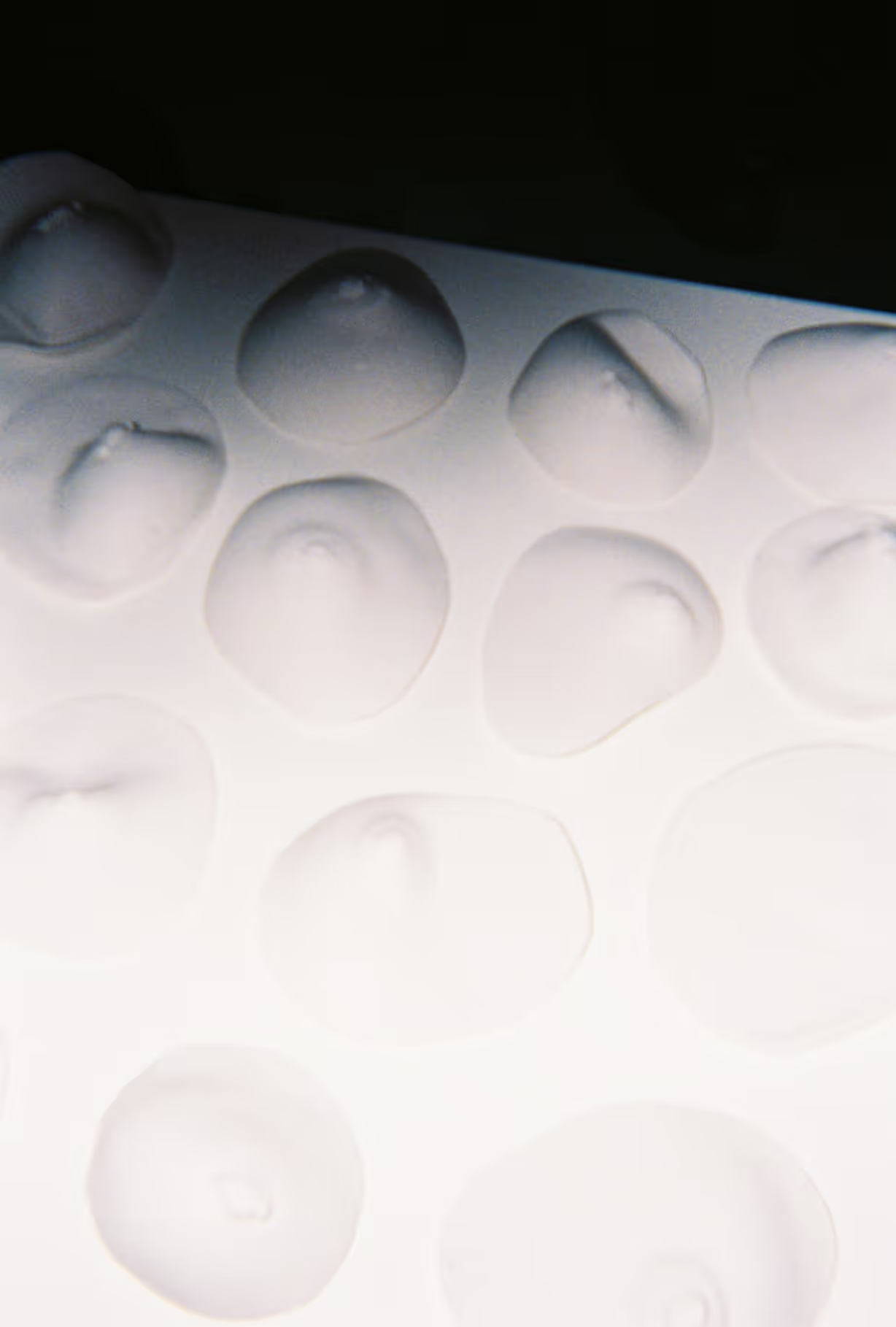
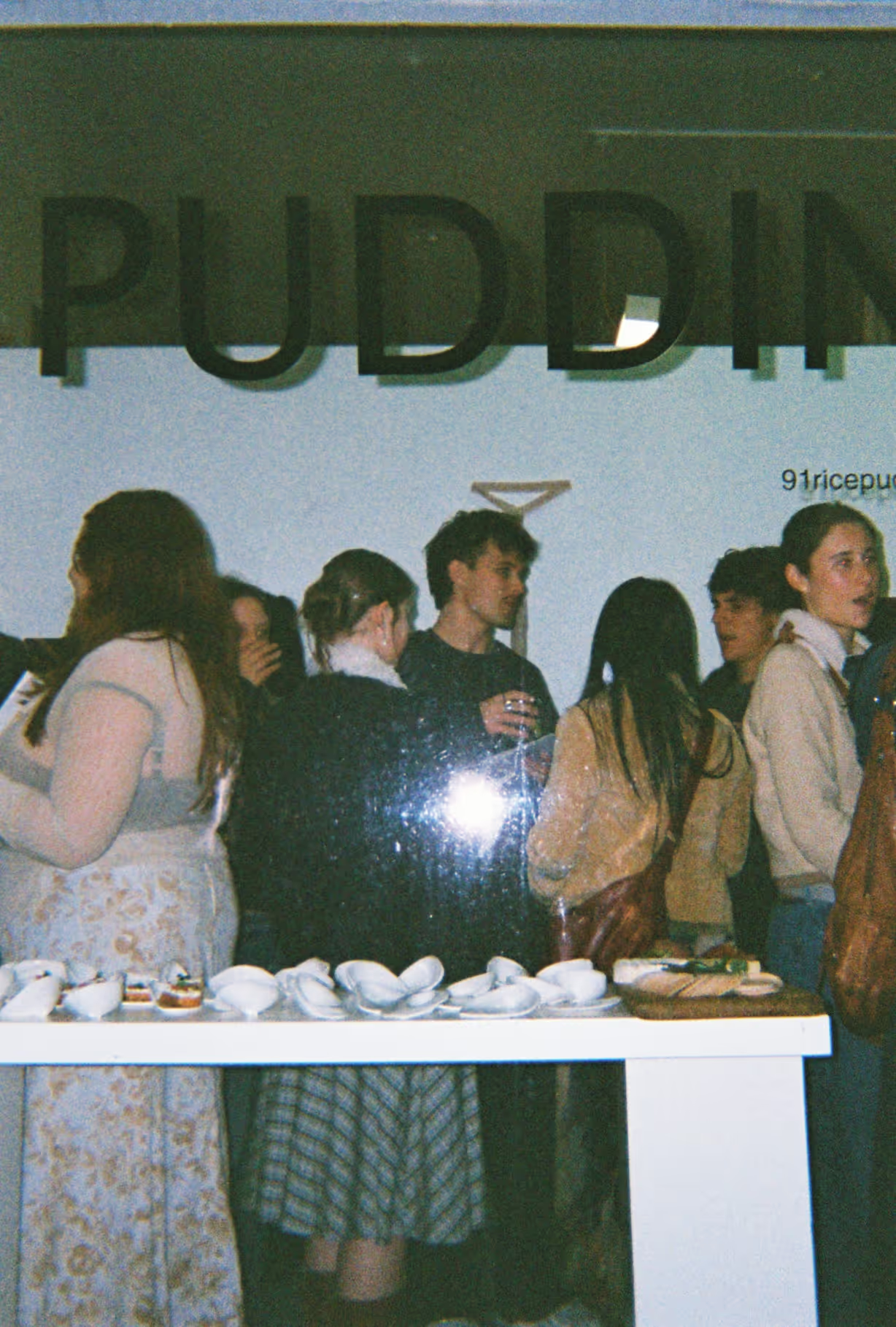
Nadia Jamieson works with sculpture to challenge how the human body is perceived as a commodifiable / consumable object. Her works are porcelain slip-casted breasts, displayed in the gallery space as plates which guests are invited to eat from. They look a little like seashells, gently concave, and with the slick look of a freshly posited cockle on the beach (we take those, too). Her work sits nicely as the other edge of Just Foreplay, conceptually across the bleachers from Read’s soft sculptures; as one abstracts the body, another is a literal imprint of it. Jamieson’s breastplates draw threads between all of the exhibiting work and their artists, through an intimate representation of the human body that speaks to the consumptive notion of the nude and challenging the social structures around it. Through the act of showing, Just Foreplay straddles the gap between starkness and sincerity, using the momentum of abstraction and play to really work within the realm of tenderness and intimacy. Through the filling of this gap, the empty space becomes visible with a powerful soup of reclamation and protest, providing a portrait of the body beyond its corporeal terms.
Anneke Westra
In Just Foreplay, five emerging artists respond to and challenge these precedents, disrupting through sensitive and careful creative practice that, although straddling multiple disciplines and tones, remains honest and curious. Across painting, sculpture, and photography, threads of experience, consumption, looking / at, and intimacy all knit together to form a textured conceptual body of work. The titling of the show, Just Foreplay connotes a similar textured experience of looking, and of being looked at. ‘Just’ here implies an exactness, or even a mundanity / sameness to ‘Foreplay’, a culturally agitating act wherein the deviancy of the implied sex-to-come is normalised. It simultaneously adds a moral righteousness to the realm of the intimate that here, within the social context of the gallery, is essential. The gallery, like the body, is a politicised space, and through the artist’s investigation into cultural narratives around the human form inside this title’d room, it becomes a place of resistance.
Hazel Read’s sculptural works, which seek to abstract representations of the human body through senses of looseness and play, form an initial edge from which to think about these concepts. The works are made from recognisable materials; recycled fabrics and clay create the asymmetric bulb-ing forms, which are tied and hung along the gallery wall. Her sculptures seem open to a varied interpretation, and feel simultaneously reminiscent of a stockinged leg, a leaning-over breast, or a flaccid penis. Tactility here is a key element, as Read works with the inherent restrictiveness of her materials, the fabric (like skin) holds the interior taut. There’s an implicit tension here in this material restrictiveness that drives the work into the fertile space between the loose, playful arena and that of the desire-to-touch.
Hana Dean’s paintings work through a larger abstracted scale; of the planetary. Her practice is deeply involved with the concept of a feminine collective entity, one which draws relationships between the human body and the naturalistic forms of the earth that work to embody matrilineal lines of connection between the two. On one hand, her work travels inwards to the human body, literally portraying ribs and flesh entwined with the roots of a mothering tree, yet on the other, she also works to an eternally outward scale, drawing in the larger ecologies and planetary cycles that are mirrored within our own bodies.
Louise Gromme’s photographs explore her body as “the only constant home” through shifting lived experiences and cultural dislocation. The medium of the photograph is particularly potent for these explorations, as a catalyst between digital / ephemeral realms and the physical processes at play. Gromme works between two photographic processes; risographs and cyanotypes, which together, form a delicate tension between these locative and experiential shifts. Her photographs of the body are tender and intimate, and speak to an introspective and embodied experience of identity and home. The physical processes of photography - of light leaving a shadow on a chemical film - gently builds upon the conceptual elements of Gromme’s work, as while a photograph captures a single moment, it’s also a moment which, by the time light has left it’s gentle imprint, is over.
The way Ethan Duck uses photography to explore bodies and connection pivots towards intimacy through experience, aiming to portray stories and moments with a frankness and honesty. His practice is used as a kind of catalystic moment, an explosive extrusion of community and embodied queer encounters. He mentions Nan Goldin as an influence, and I’m reminded of essayist Anne O’Hehir on her photographs here; “This is a form of embodied looking, where vision and the experience of desire becomes haptic”. Through the lens of photography, experience is embodied into a tangible, tactile being, and the act of looking is impossible to retrieve from that relationship.
Nadia Jamieson works with sculpture to challenge how the human body is perceived as a commodifiable / consumable object. Her works are porcelain slip-casted breasts, displayed in the gallery space as plates which guests are invited to eat from. They look a little like seashells, gently concave, and with the slick look of a freshly posited cockle on the beach (we take those, too). Her work sits nicely as the other edge of Just Foreplay, conceptually across the bleachers from Read’s soft sculptures; as one abstracts the body, another is a literal imprint of it. Jamieson’s breastplates draw threads between all of the exhibiting work and their artists, through an intimate representation of the human body that speaks to the consumptive notion of the nude and challenging the social structures around it. Through the act of showing, Just Foreplay straddles the gap between starkness and sincerity, using the momentum of abstraction and play to really work within the realm of tenderness and intimacy. Through the filling of this gap, the empty space becomes visible with a powerful soup of reclamation and protest, providing a portrait of the body beyond its corporeal terms.
Anneke Westra
With special thanks to our friends and
sponsors at Woodward Street Distilling
sponsors at Woodward Street Distilling